Reflections on NRWC's Employer Engagement Training: Strengthening Pathways to Economic Mobility and Career Success
Recently, I had the privilege of participating in the Fair Chance Employer Engagement Training facilitated by the National Reentry Workforce Collaborative. The experience was both affirming and inspiring — validating our work while bringing fresh strategies to strengthen our impact.
Editorial by Russell Degnan, CEO, Operation New Hope
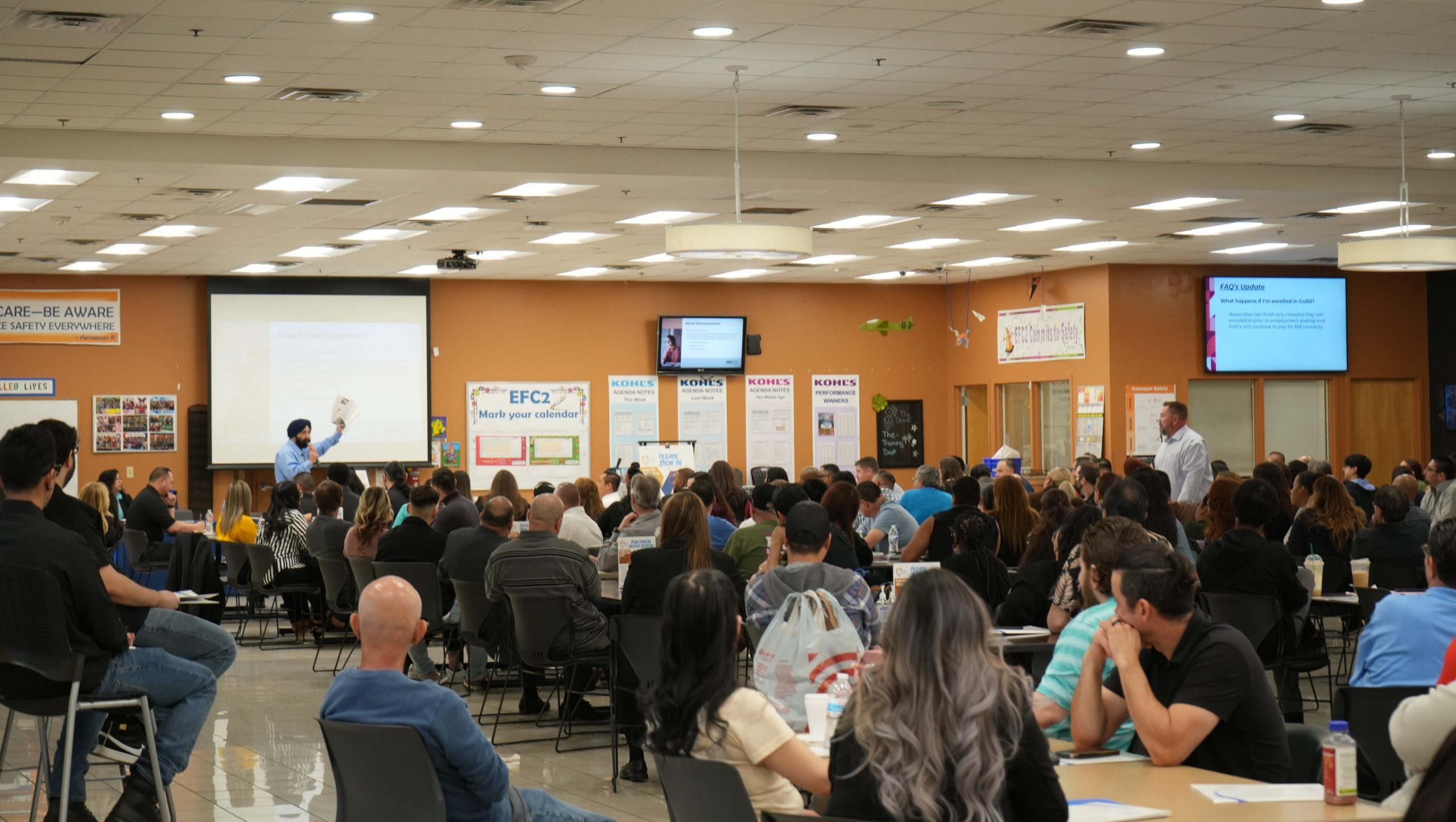
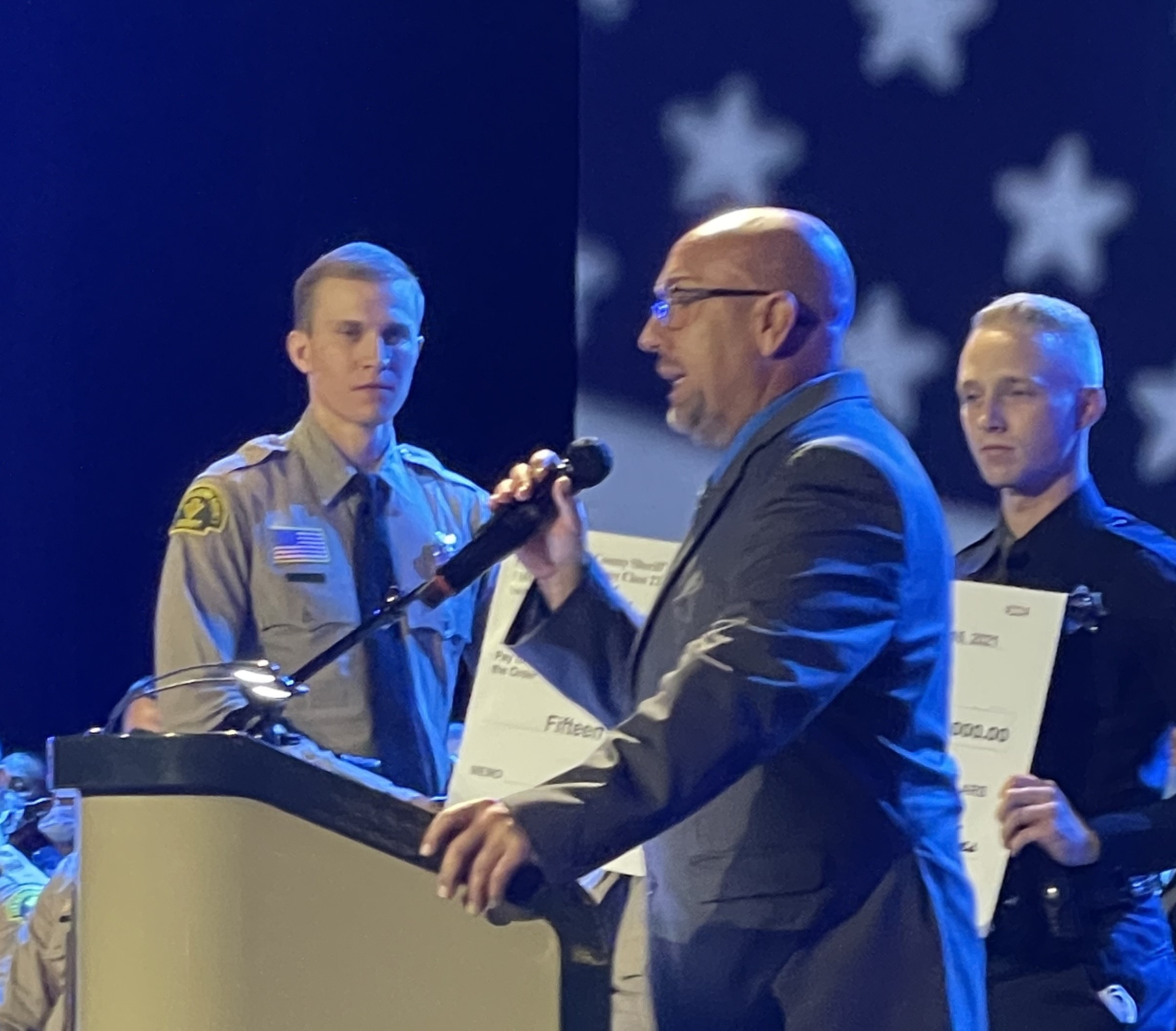
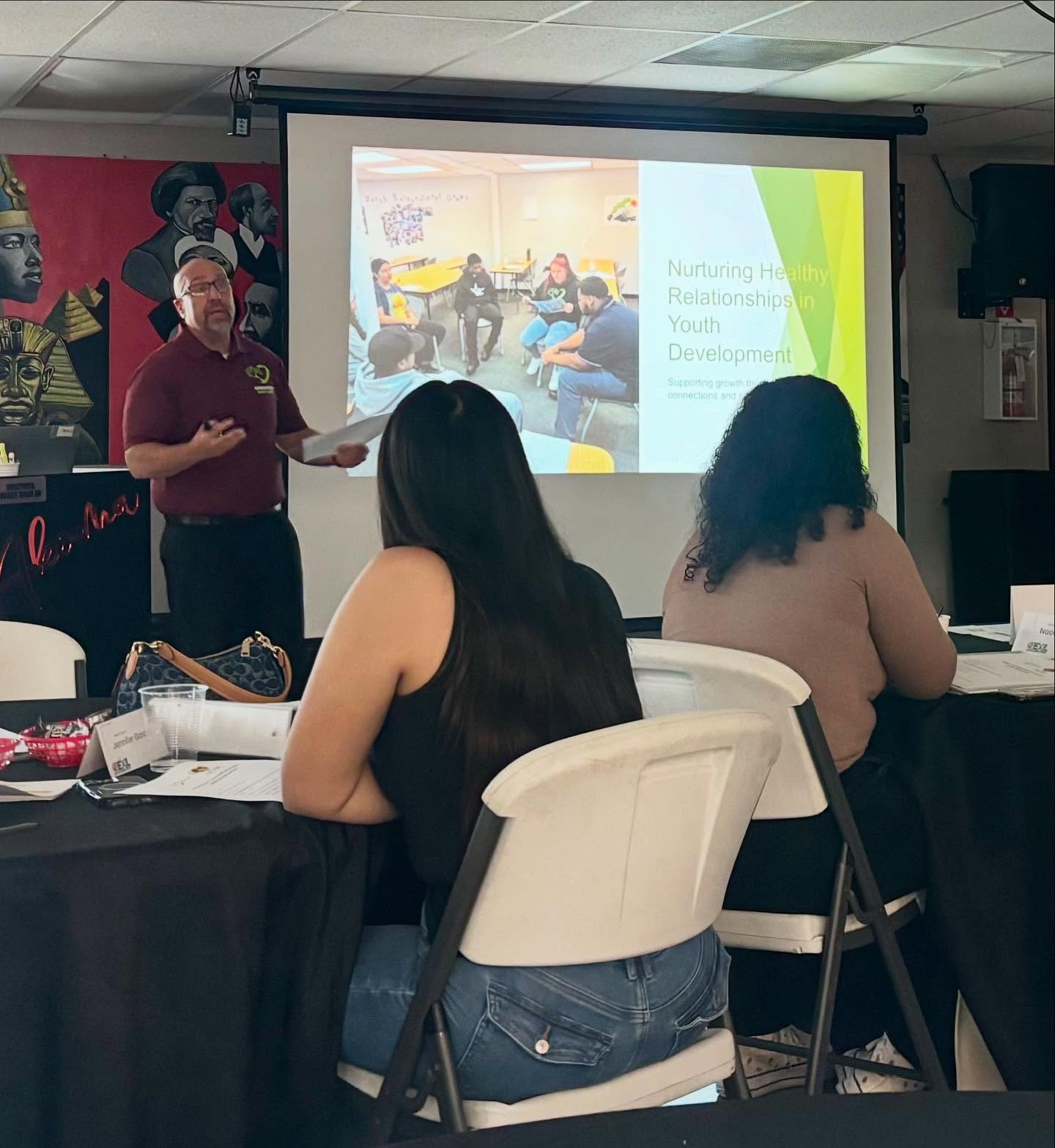
Recently, I had the privilege of participating in the Fair Chance Employer Engagement Training facilitated by Mr. Jason Whyte and Mr. Michael Jackiewicz of the National Reentry Workforce Collaborative (NRWC). The training was designed to equip workforce development professionals, job developers, and organizational leaders with strategies for building meaningful, long-term employer partnerships that support fair-chance hiring and economic mobility for justice-impacted individuals.
The experience was both affirming and inspiring.
Throughout the training, I was reminded of the meaningful work that Operation New Hope (ONH) provides every day. It was encouraging to see that many of the Job Development and Employer Engagement best practices our team has implemented over the years were validated by nationally recognized workforce development leaders. At the same time, I returned home with innovative tools, fresh ideas, and practical "common-sense" strategies that will strengthen our impact and help us better serve our participants, employer partners, workforce development team, and community stakeholders.
Learning from the Experts in the Room
One aspect of the training that truly stood out was the facilitation style of Jason and Michael.
Great trainers understand that valuable knowledge is not only at the front of the room — it exists throughout the room. Jason and Michael did an outstanding job creating an interactive learning environment that drew upon the expertise of the participants themselves. While the content and tools they delivered were exceptional, many of the most valuable lessons came from the conversations, examples, and best practices shared by fellow attendees.
I was honored to learn alongside professionals representing organizations such as:
- California Workforce Development Boards
- California Foundation for Community Colleges
- San Diego Workforce Development
- Chino Hills Chamber of Commerce
- Inland Empire United Way
- Mission Los Angeles
- ARC
- St. John's and other community-based service organizations
The collective experience represented in the room created a powerful learning environment where everyone both taught and learned. I left with not only NRWC's best practices, but also real-world insights from organizations doing transformational work throughout California and beyond.
Employer Engagement Is a Two-Way Relationship
One of the strongest themes throughout the training was that employer engagement must be viewed as a partnership — not a transaction. Successful workforce organizations focus on understanding employer needs and positioning themselves as workforce solutions.
Our employer partners provide critical opportunities for our participants. However, we must also recognize the tremendous value workforce development professionals provide to employers through:
- Delivering work-ready talent
- Supplying licensed and certified employees
- Filling industry workforce shortages
- Supporting retention efforts
- Providing barrier-removal services
- Offering workforce consultation and support
When employers and workforce organizations work together intentionally, everyone wins.
The Ex3 Assessment: Looking Inward to Strengthen Outcomes
Another valuable tool introduced during the training was the Ex3 Assessment. This framework encourages organizations to evaluate internal strengths, identify gaps, and uncover opportunities for growth in employer engagement and workforce development service delivery.
For Operation New Hope, the Ex3 Assessment provides an opportunity to continuously evaluate:
- Team capabilities
- Employer engagement effectiveness
- Program implementation
- Staff training opportunities
- Community partnership alignment
The exercise reinforced the idea that continuous improvement is essential if we are to remain effective workforce development leaders in a constantly changing labor market.
My Biggest "Ah-Hah" Moment: Workforce Organizations as HR Partners
The most impactful takeaway for me was recognizing the important role workforce development organizations can play as an extension of an employer's Human Resources strategy.
Today's employers are not simply struggling to recruit employees — they are struggling to retain them.
As workforce professionals, we must think beyond placement and consider how we can help our employer partners improve:
- Onboarding processes
- New employee orientation
- Intentional employee training
- Workplace communication
- Employee engagement
- Retention practices
Additionally, we can help employers connect employees to wraparound services that improve workplace stability and long-term retention. These supports may include:
- Mental health services
- Financial literacy education
- Parenting and co-parenting support
- Transportation assistance
- Housing stabilization
- Reentry support services
Many employers genuinely want to help their employees succeed but may not fully understand the challenges individuals face during reentry. Workforce development organizations are uniquely positioned to bridge that gap and provide resources that benefit both the employee and the employer.
Placement Is Not the Goal
One of the most important reflections I brought home from this training is this:
Placement is not the goal.
At Operation New Hope, we believe in the A, B, C Theory of Workforce Development:
A = A Job Everyone needs an opportunity to enter the workforce and begin earning income.
B = A Better Job As skills, certifications, experience, and confidence grow, individuals should continue progressing toward higher wages and better opportunities.
C = A Career Our ultimate objective is helping individuals secure employment within industries that provide genuine economic mobility, advancement opportunities, and long-term stability.
The goal is not simply placing someone into a position. The goal is placement into an industry and career pathway where an individual can:
- Maintain long-term employment
- Advance professionally
- Purchase reliable transportation
- Rent or purchase a safe home
- Build savings
- Support their family
- Create generational stability
Success means helping someone reach a point where they can provide a home in which their family can thrive, where children have stability, and where every member of the household has the dignity of adequate living space and opportunity.
That is the true measure of workforce development success.
Supporting Success Beyond Placement
Retention — not placement — must remain the ultimate objective. Employers consistently value workforce partners who remain engaged after hire, provide ongoing support, and help address challenges before those challenges result in turnover.
At Operation New Hope, we understand that many of our participants are navigating complex life circumstances while rebuilding their lives. By working collaboratively with employers, training providers, and community partners, we can help remove barriers, increase retention, and support long-term career advancement.
The Reentry Workforce Is the Solution
The training reaffirmed something I have believed for many years:
The reentry workforce is not a workforce challenge — it is a workforce solution.
Across nearly every industry sector, employers are searching for dependable, motivated, and qualified employees. At the same time, thousands of talented individuals returning from incarceration are eager for the opportunity to demonstrate their skills, dedication, and value.
When workforce development organizations, employers, community partners, and training providers work together intentionally, we create pathways that transform lives, strengthen businesses, and improve communities.
I am grateful to Jason Whyte, Michael Jackiewicz, and the National Reentry Workforce Collaborative for delivering an exceptional training experience. Their ability to teach, facilitate, challenge, and leverage the expertise in the room created an environment where everyone learned and everyone contributed.
The knowledge and tools gained from this experience will strengthen Operation New Hope's employer engagement efforts and further our mission of ensuring that every individual impacted by the justice system has a level playing field and access to meaningful career opportunities.
Because when given the opportunity, support, and pathway to success, the reentry population is not simply capable of meeting today's workforce demands — they are one of the answers to solving the workforce shortages facing every industry in America.
Explore Topics
Written by
Russell Degnan
Content creator and writer sharing insights and stories.