Grant Season Reflections: 18 Years of Lessons From the Journey
After 18 years in grant writing and development, Russell Degnan shares the most valuable lessons learned — from reviewing RFPs carefully to crafting compelling, mission-driven narratives that inspire funders.
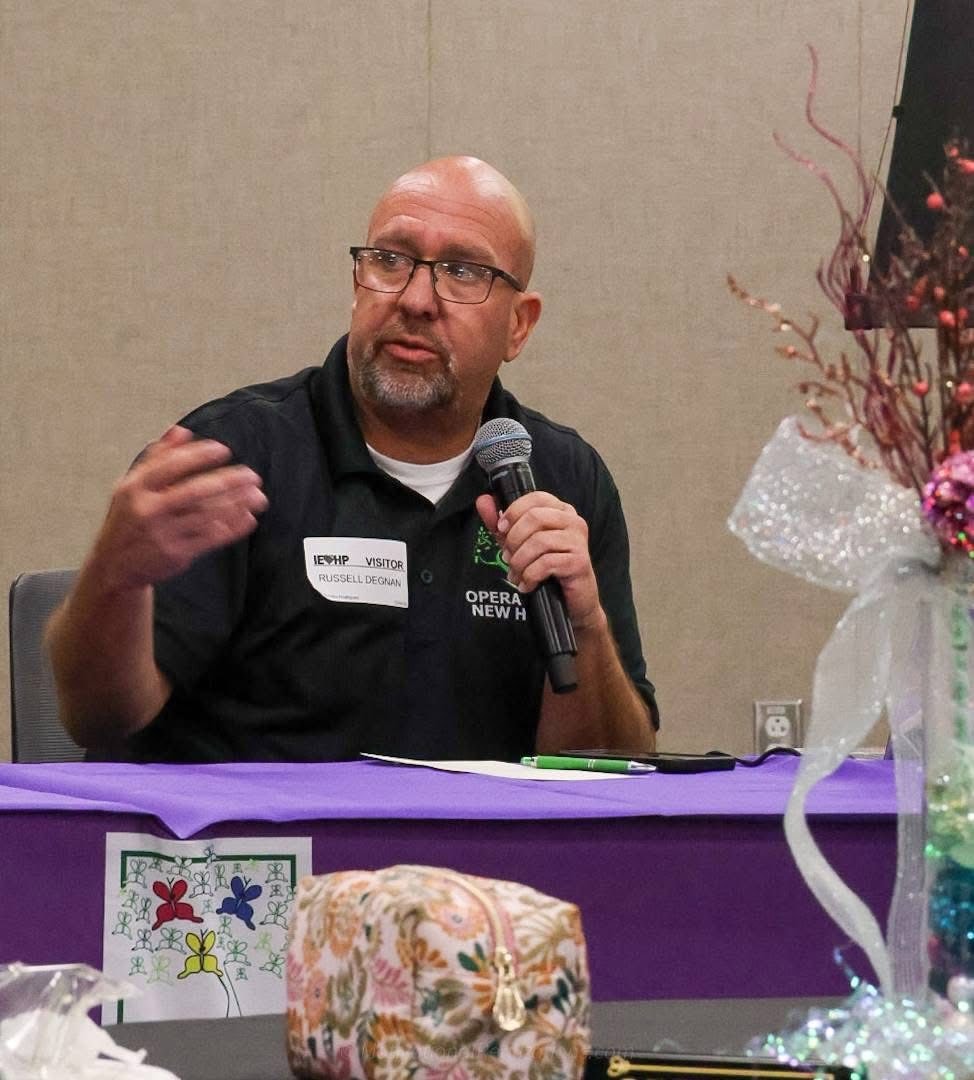
By Russell Degnan
As I work through the midst of grant season, I wanted to pause and reflect on a few lessons gathered over my 18 years in grant writing and grant development. I've been fortunate to learn from extraordinary leaders along the way — but none more impactful than my two Grant Writing Sensei's: our late Dr. Dale Sechrest (RIP) and Dr. Andrea Mitchel aka "Mitchel."
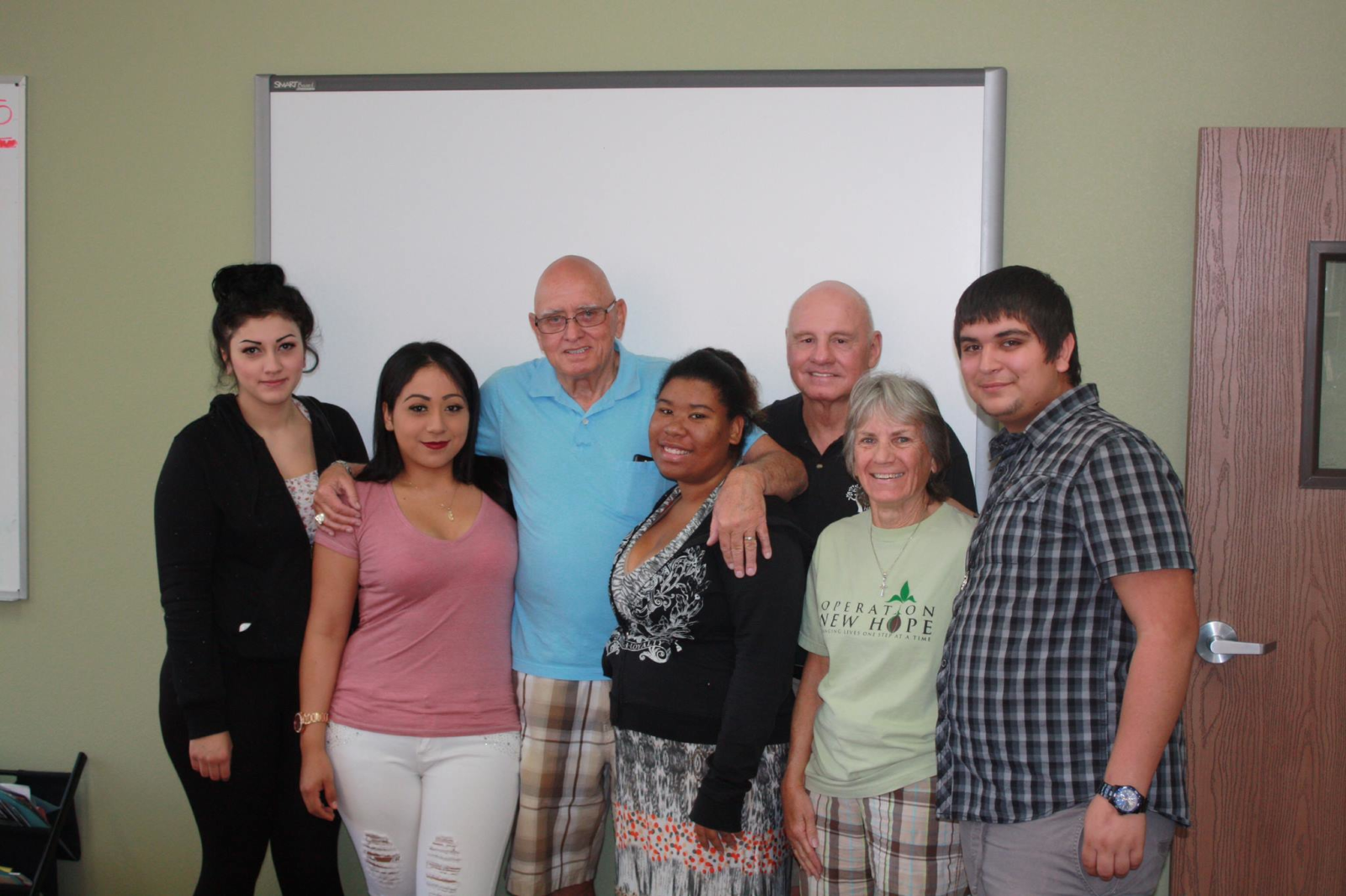
Dr. Sechrest, who served as our Board Chair until his sudden passing, sat beside me through countless proposals, teaching me the craft through hands-on experience. In 2009, we set out to submit 10 proposals. We managed 5 — and were awarded 2 of them. One of those awards became the foundation for Operation New Hope's growth: our first contract with the San Bernardino County Workforce Development Board (known then as WIA, now WIOA). That moment changed the trajectory of our organization forever.
A year earlier, during my AmeriCorps Management role, Andrea Mitchel introduced me to Grant Writing 101. That single training opened a door that shaped the next two decades of my career. What began as a workshop evolved into a powerful partnership and — more importantly — a mentorship that continues to guide me to this day.
Eighteen years later, here are a few of the most valuable lessons I've learned, especially for those just beginning their journey or looking to sharpen their approach.
1. Review the Guidelines Carefully — RFP/RFA/RFQ
Before writing a single word, study the application thoroughly. Many proposals fail not because of lack of substance, but because they miss formatting rules, page limits, required documents, or small but critical instructions. Eligibility, deadlines, and evaluation criteria should always guide your strategy.
2. Do Your Homework
Understanding the funder is just as important as understanding your own organization. Research their mission, values, and previously funded projects. Alignment builds trust — and trust builds successful partnerships.
3. Leverage Past Proposals
Don't start from scratch if you don't have to. Past successful proposals — and even the unsuccessful ones — contain valuable language, structure, and lessons. Build a grant writing toolkit or template library to save time and keep messaging consistent.
4. Outline Before You Write
A well-structured outline keeps your proposal focused, complete, and aligned with the funder's expectations. It also makes team collaboration smoother.
5. Simplify Your Writing
Reviewers are busy. Clear, concise writing always wins. Use:
- Short sentences
- Plain language
- Headings and bullets
- Visuals when possible
A simple proposal is not a weak one — it's an effective one.
6. Use Compelling, Mission-Driven Language
Inform the reviewer — but also inspire them. Help them connect emotionally to the work your organization does. Tell the story behind the need, the people you serve, and the change they'll help create.
7. Highlight Measurable Outcomes
Funders want to see exactly what will change because of their investment. Define what success looks like before you write the narrative.
8. Organize the Budget Thoughtfully
Your budget tells the story behind the numbers. Make sure it:
- Aligns with your narrative
- Is realistic and detailed
- Shows income and expenses clearly
- Makes sense when read independently
9. Proofread Everything
Typos and awkward phrasing can undermine even the strongest proposal. Review it with fresh eyes. Proofread it out loud. And when possible, ask someone else to review — fresh perspectives catch things we don't.
Closing Thoughts
Grant writing is equal parts strategy, storytelling, accuracy, and alignment. It's about honoring the mission, honoring the community, and demonstrating that your organization can deliver meaningful results.
To Andrea Mitchel — thank you for the mentorship, wisdom, and belief over the past 18 years. And to everyone navigating grant season right now: keep pushing, keep writing, and keep refining your craft. The work you do fuels impact that changes lives.
Explore Topics
Written by
Russell Degnan
Content creator and writer sharing insights and stories.